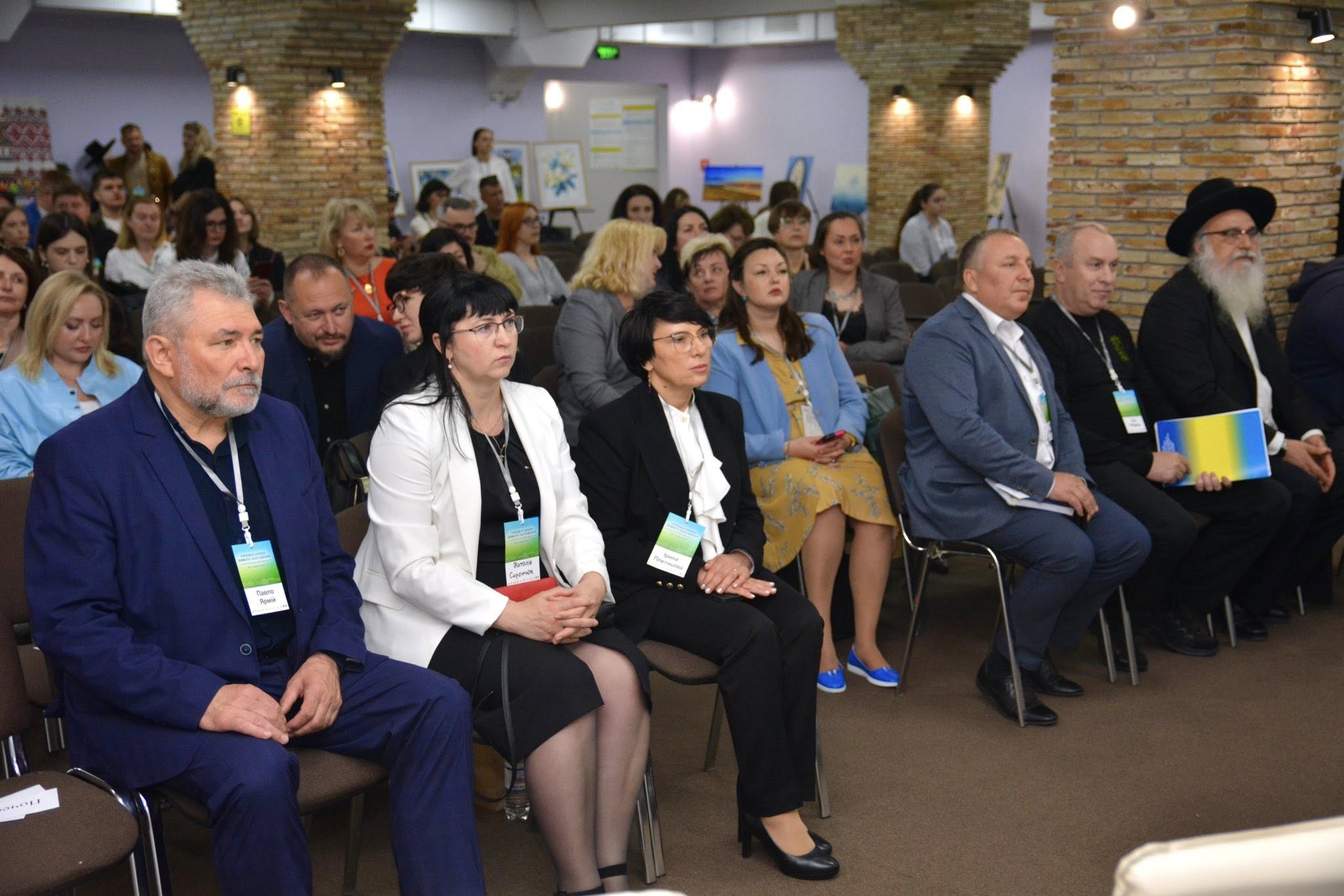
On May 29-31, Uman hosted the III Tourism and Economic Forum “Tourism in Ukraine: Today’s Requirements.”
This year’s focus was on cultural heritage as a basis for sustainable development, intercultural dialogue, and community strengthening. The Center for Urban History and the Centre for Regional Development of the PPV Economic Development Agency co-organized separate events within the REHERIT 2.0 project, which became a space for dialogue, critical reflection, and the search for new formats of working with heritage.
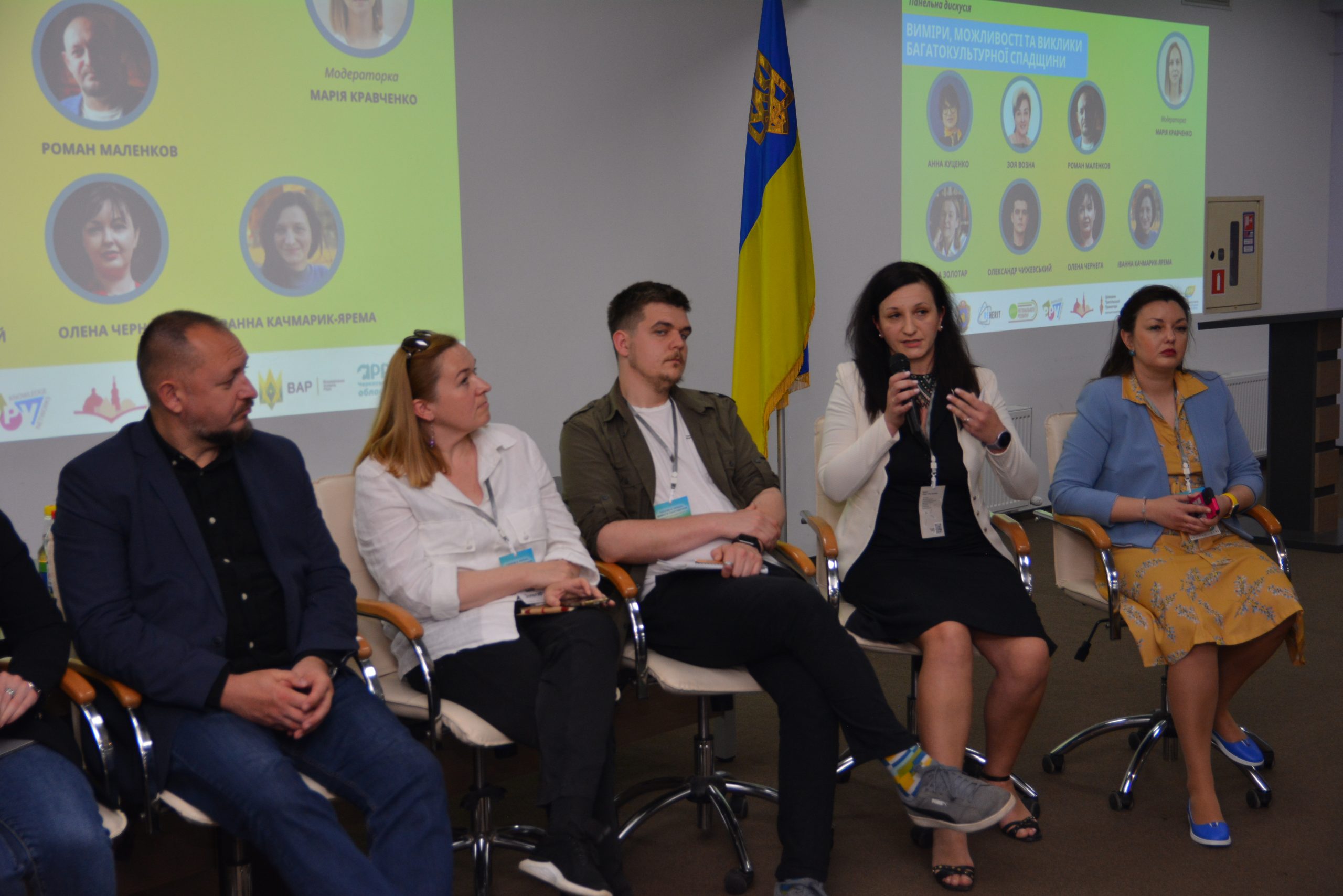
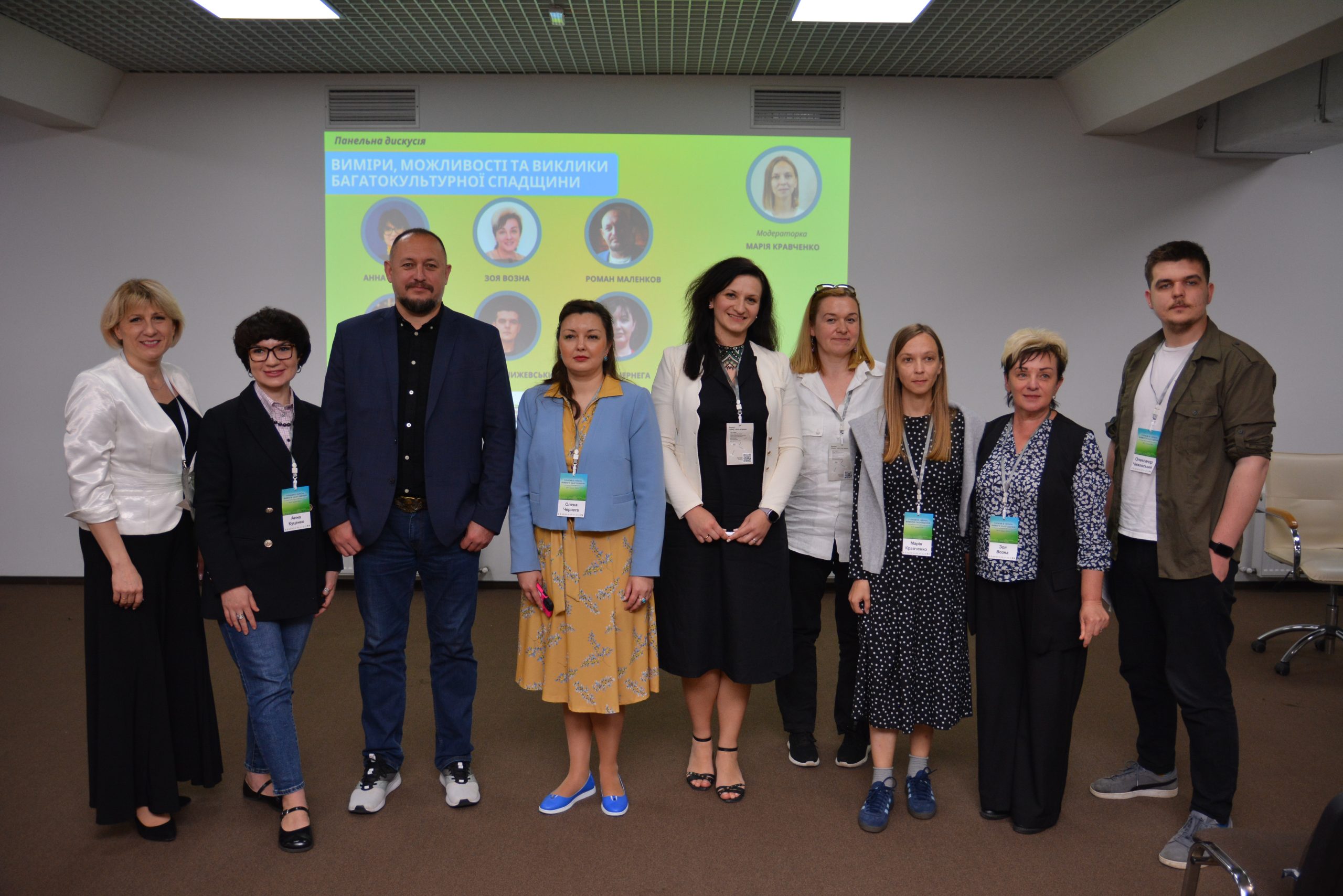
The Center for Urban History invited to a conversation about the dimensions, opportunities, and challenges of multicultural heritage. The conversation focused on the roles of different parties in the processes of actualizing multicultural heritage, in particular for the needs of tourism development, as well as the importance of deeper research and understanding of what multicultural heritage is and can be for communities.
The conversation was held with the participation of Zoya Vozna, associate professor at the Pavlo Tychyna State Pedagogical University; Roman Malenkov, editor-in-chief of the local history web portal “Ukraine Incognita” and director of the State Research Institute “Ancient Kyiv”; Inna Zolotar, coordinator of public history programs at the Center for Urban History; Oleksandr Chyzhevskyi, director of the Zdolbuniv Museum of Local Lore; Olena Chernega, head of the marketing and commercialization department of the Kyiv GIOC; Ivanna Kachmaryk-Yarema, grant manager at the PPV Economic Development Agency; Anna Kutsenko, director of the State Enterprise “Ukraine Tourist”. The conversation was moderated by the coordinator of the REHERIT 2.0 project Maria Kravchenko.
The Centre for Regional Development of the PPV Economic Development Agency organized a panel discussion “Cultural Heritage and the Economy: How to Turn Heritage into a Source of Income and Community Development.” The event focused on the opportunities offered by cultural heritage for entrepreneurship, local development, and economic growth. The speakers shared examples of local initiatives that develop businesses around heritage, from coffee shops in historic buildings to local brands and tourist products. They also described how the integration of heritage into business models affects the development of territories.
The discussion was moderated by Volodymyr Vorobey, director of the PPV Economic Development Agency. Participants: Vasyl Rozhko from the Tustan NGO, Vasyl Khudynets, head of the Kolochava Village Council, Hanna Havryliv, founder of the Heritage UA project, Viktoriia Kulakova, head of the Tse Kraft charity foundation, Natalia Tsymbal, head of the cultural heritage protection department of the Uman City Council.
This publication was created with the financial support of the European Union. Its content is the sole responsibility of the partners of the REHERIT 2.0 project and does not necessarily reflect the views of the European Union.