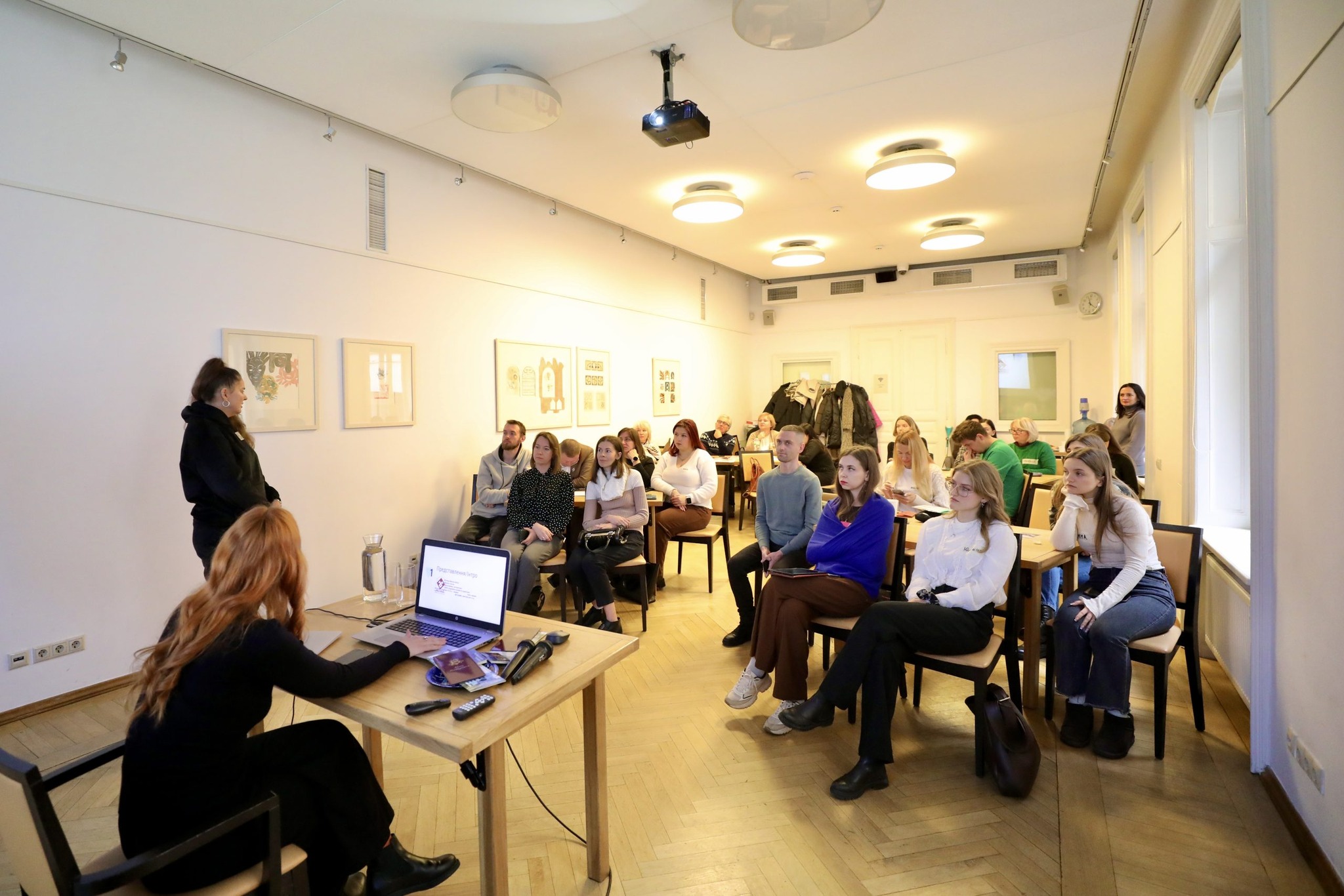
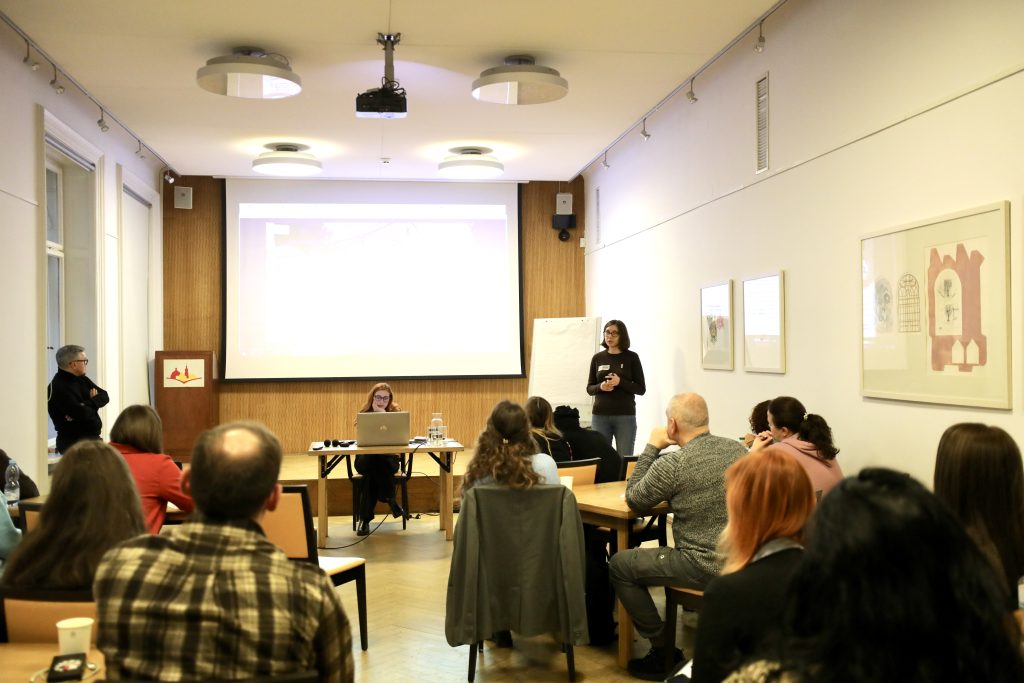
Experts from the PPV Economic Development Agency conducted the first training of the Heritage: Projects that Change Communities program as part of the REHERIT 2.0 Common Responsibility for Shared Heritage project.
The training program is designed to help professionals and teams working with heritage to create development initiatives in which cultural heritage becomes an asset and supports the development of local communities.
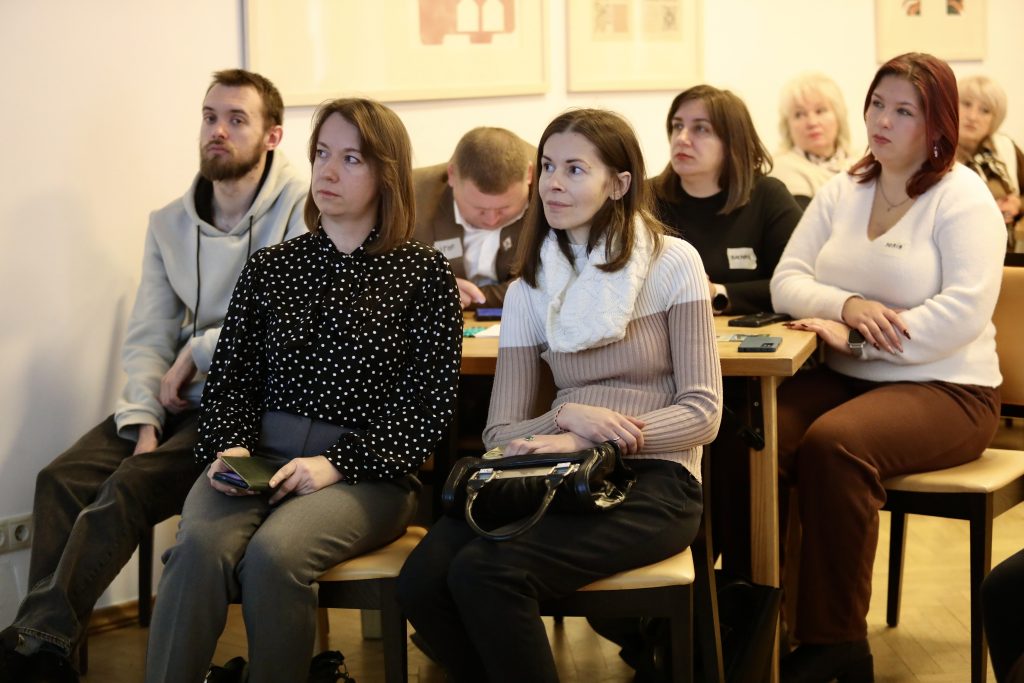
In total, we received 186 applications for the training program and selected 50 participants from 14 regions of Ukraine: Vinnytsia, Volyn, Dnipro, Zhytomyr, Ivano-Frankivsk, Kyiv, Lviv, Mykolaiv, Odesa, Poltava, Rivne, Ternopil, Cherkasy, and Chernihiv regions. The participants include representatives of local authorities from different communities, employees of cultural institutions, museums, charitable foundations and NGOs, nature reserves, and experts in the field of heritage and community development.
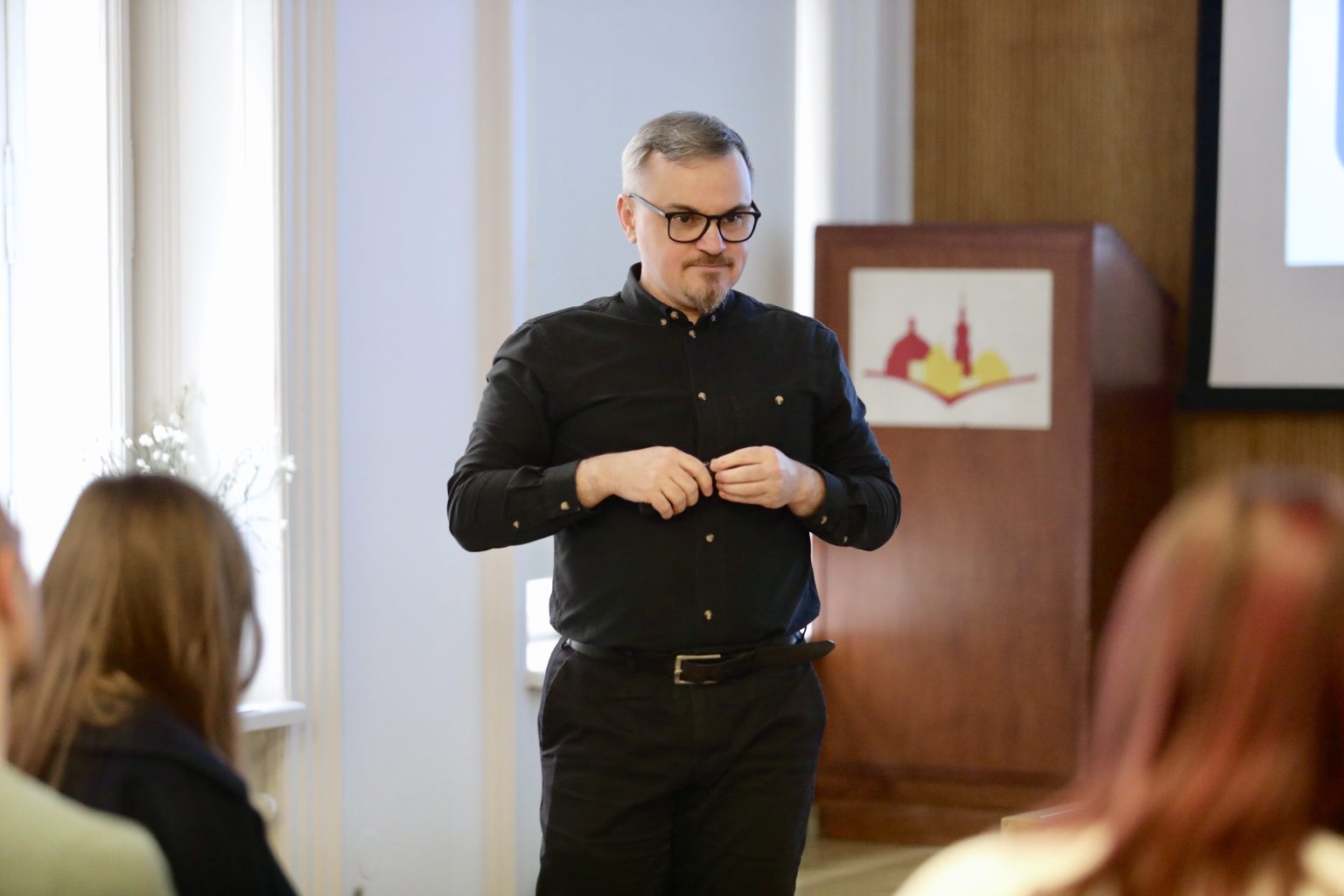
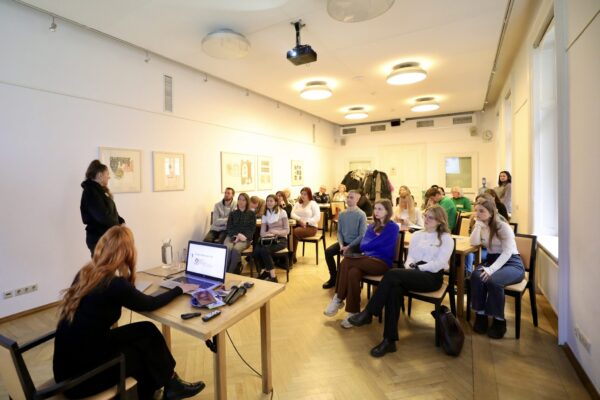
The program started on November 20-21 at the Center for Urban History. At the first training, Volodymyr Vorobey spoke about the structure of development initiatives and the relationship between its various components. Together, the participants figured out how to work with challenges to achieve the expected result and the impact of the project on the life and development of the community.
The program will include 11 more trainings, networking meetings, and involvement in the expert network. In the future, an open call for grants will be announced to support development initiatives in communities that work with the topic of the multicultural past. Participants of the training program will be able to submit their projects under the general terms of this competition.
“REHERIT 2.0: Shared Responsibility for Common Heritage” is implemented by the Center for Urban History and the Centre for Regional Development of the PPV Economic Development Agency with the financial support of the European Union.
This publication was produced with the financial assistance of the European Union. Its content is the sole responsibility of the partners of the REHERIT 2.0 project and does not necessarily reflect the views of the European Union.